The Karma of Vulnerability: Why Openness Is Strength
What's the first thing that comes to mind when you hear the word "vulnerability"? Probably something unpleasant: weakness, defenselessness, the risk of rejection. We live in a culture that glorifies armor. "Keep it together," "Don't show weakness," "Be strong" — these messages are absorbed from childhood. But what if this very armor is creating the karma of loneliness, of being misunderstood, of empty connections that so many people describe?
Vulnerability in a Culture of Strength: Why It's Difficult
Vulnerability is the willingness to show up where there are no guarantees of success. It's saying "I'm scared" instead of "I've got it under control." It's confessing love without knowing the answer. It's showing unfinished work. It's asking for help when you're used to managing alone.
The culture of strength systematically punished this kind of behavior. Boys were told: "Men don't cry." Girls: "Don't air your dirty laundry." Both: "What will people think?" These messages formed the belief that being vulnerable is dangerous — that openness inevitably leads to betrayal, mockery, or rejection.
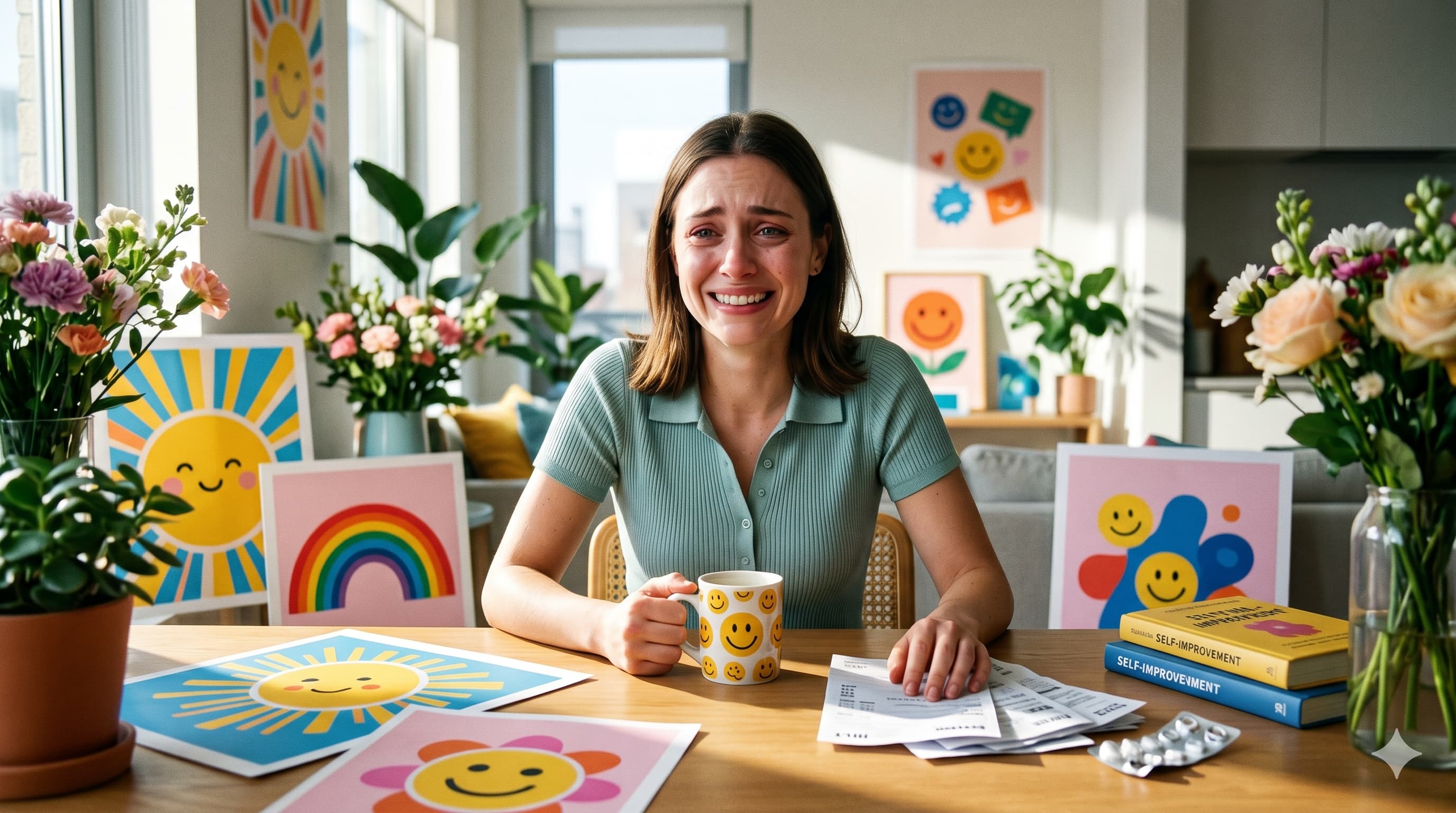
As a result, we became masters of armor. We learned to appear competent when confused. Cheerful when in pain. Indifferent when we care deeply. And we pay a very high price for this.
Psychologists have documented a striking phenomenon: the people most afraid of being vulnerable are often those who most deeply crave intimacy. This isn't a contradiction — it's a tragic cycle. We want connection but fear everything that creates it.
Brené Brown and the Science of Vulnerability
Brené Brown is a professor at the University of Houston who spent over twenty years studying shame, vulnerability, and connection. Her TED talk "The Power of Vulnerability" became one of the most-watched in the platform's history — over sixty million views. Why? Because she articulated what many people felt but couldn't put into words.
Her central finding: people who experience a deep sense of love and belonging differed from those who didn't by one key factor — they believed they were worthy of love and belonging. And this belief gave them the courage to be vulnerable. Brown calls these people "wholehearted" — they live from a place of sufficiency, not scarcity.
Crucially: vulnerability in her framework is not weakness. It is "the most accurate measurement of courage." Because to open up without guarantees is genuinely brave. A warrior charging into battle with an obvious advantage is less courageous than one who moves forward not knowing the outcome.
Her research also showed that shame is the primary reason people avoid vulnerability. Shame says: "If they see the real me, they won't love me." This is the fundamental fear of rejection that drives us to hide behind roles and masks. But shame thrives in secrecy and withers in empathy — the very thing that vulnerability makes possible.
The Karmic Trap of Armor: The Cost of Closedness
When we wear armor, we think we're protecting ourselves. But armor works in both directions: it doesn't just keep pain out — it keeps warmth in. A closed person is protected from rejection but also protected from genuine intimacy.
From a karmic standpoint, this creates a very specific cycle. You don't open up → others don't know the real you → relationships remain superficial → you feel lonely and misunderstood → this confirms the belief that openness is dangerous → you close down even more. This cycle is self-sustaining and grows heavier over time.
Psychologists call this the "protection paradox": the more we defend ourselves from pain, the more vulnerable we become to chronic emptiness. The short-term pain of risking rejection is incomparable to the long-term pain of living in isolation.
There is another karmic dimension to closedness — it affects not only you but those around you. When one person in a couple or group wears armor, it creates tension for everyone else. People sense the distance, don't understand its cause, and begin to interpret it as distrust or disinterest. This wounds relationships that could be alive.
How Vulnerability Creates Authentic Relationships
Genuine intimacy is impossible without vulnerability. This isn't a romantic idea — it's a research-backed fact. When one person opens up to another, something important happens: the second person feels trusted, which prompts them to open up in return. Psychologists call this "reciprocal self-disclosure."
Psychologist Arthur Aron's research demonstrated that closeness between people can be created intentionally through gradual mutual disclosure — moving from simple questions to increasingly personal ones. His famous "36 Questions" study showed that strangers who went through this process felt significantly closer to each other afterward than those who engaged in ordinary small talk.
In professional contexts too: Google's Project Aristotle research found that the most important factor in team effectiveness was psychological safety — the confidence that one can take risks, make mistakes, or say something uncomfortable without punishment. This is the corporate version of vulnerability.
When you open up, you give another person the real version of yourself to connect with. You allow them to see not a performance, but a living person. This is what creates the "chemistry" people seek in relationships but struggle to explain. Read our article on authenticity to learn more about how genuineness shapes your karma.
Dosing: When Openness Is Appropriate
An important caveat: vulnerability doesn't mean telling everyone everything. It is not a call for unlimited openness with every stranger. Brown clearly distinguishes between vulnerability and inappropriate disclosure.
Vulnerability requires context and reciprocity. Sharing something deeply personal with a stranger who has shown no trust — that isn't vulnerability, it's attention-seeking. Sharing painful experiences with someone unable to hold them — that isn't openness, it's a risk of retraumatization.
Healthy vulnerability builds gradually: first you share something small and observe the response. Does the person react with warmth and respect? You can go deeper. Do they respond with judgment or indifference? That's a signal — not because you "shouldn't" open up, but because this particular person or moment isn't creating a safe space.
Vulnerability also requires inner strength. This seems paradoxical, but people who can be genuinely vulnerable typically possess high levels of self-acceptance. They aren't seeking approval — they share because it's organic. The difference between "I'm opening up from strength" and "I'm opening up from desperation" is fundamental. Visit our oracle to explore from what inner place you tend to operate in your relationships.
Practice of Gradual Openness
If you've worn armor for a long time, you won't remove it in a single day — and you don't need to. Here are concrete practices for gradually moving toward openness.
Vulnerability journal. Each day, record one moment when you felt the urge to open up but didn't. What stopped you? What specifically were you afraid of? This exercise helps identify patterns of vulnerability avoidance.
The first step practice. Choose one person you trust and share something you don't usually say. It doesn't have to be your deepest secret — start with something moderately personal. Observe their reaction and your own feelings afterward.
Replacing performance with honesty. When someone asks "how are you?" — try sometimes answering honestly instead of the automatic "fine." This is a small act of vulnerability that can transform the quality of a conversation.
Accepting help. When someone offers help — accept it. Refusing help is also armor. "I'll manage on my own" often means "I won't let you see that I'm struggling."
Vulnerability in conflict. Instead of "you always do this," try "it hurts me when this happens." This is harder because it requires acknowledging your own feeling instead of attacking the other person — but it's precisely what opens dialogue. Learn more about boundaries in relationships in our article on personal boundaries.
Vulnerability is not a character flaw or a psychological deficiency. It's a skill that develops with practice. And every time you choose openness over armor, you create the karma of genuine connection — the kind that nourishes rather than depletes. Take the karma test to see how your habitual choices are shaping your life trajectory.
Subscribe to new content
We publish articles about karma, self-discovery and spiritual practices. No spam — only the good stuff.
We never share your email with third parties. Unsubscribe anytime.