The Karma of Community: How to Build and Sustain Connections Around You
The karma of community is not an abstract metaphor — it is a measurable, lived reality. The way we interact with the people around us shapes a shared energy that ultimately returns to each of us. Social scientists call this social capital: the accumulated trust, norms of reciprocity, and networks of connection that make collective life possible. The higher a community's social capital, the better the health outcomes of its members, the lower the crime rates, and the stronger each individual's sense of meaning and purpose.
What Real Community Means in the Age of Social Media
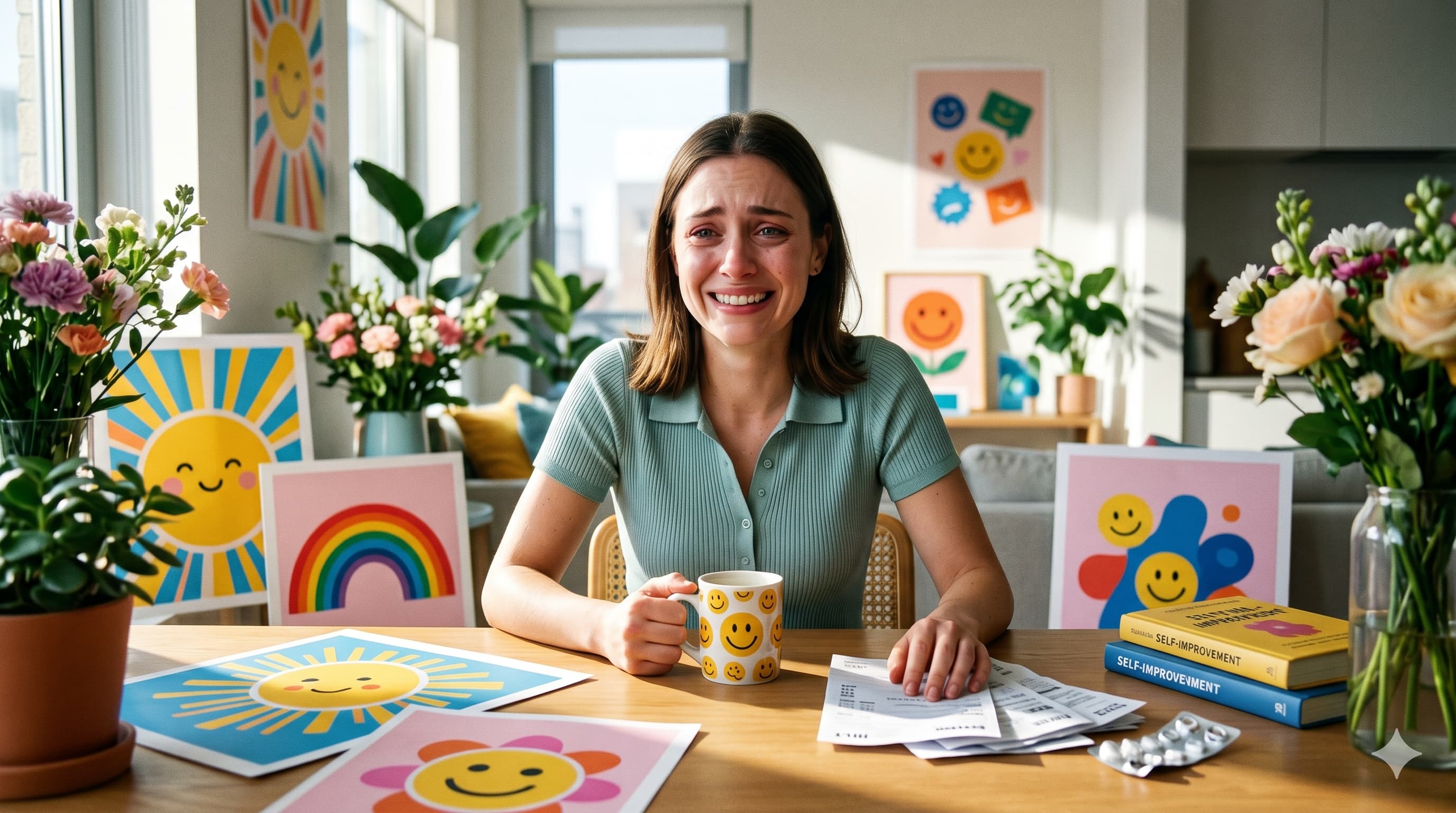
We live in an era of unprecedented connectivity — and unprecedented loneliness. Research consistently shows that despite hundreds of social media friends, the average person has no more than three to five people they can truly confide in. This paradox — having many contacts but feeling alone — is one of the defining crises of our time.
Real community differs from a mere group of people in several ways. First, there is a shared history: a sense of having gone through something together. Second, there is mutual accountability: members hold commitments to one another. Third, it is a space where vulnerability is possible without fear of judgment.
Sociologist Robert Putnam, in his landmark book Bowling Alone, documented how American society shed enormous amounts of social capital over recent decades. People stopped joining clubs, religious communities, and neighborhood associations — and this had real consequences for health and happiness. What Putnam described for 1990s America is now a global digital reality.
Anthropologist Robin Dunbar discovered that the human brain evolved to manage approximately 150 stable social relationships — the so-called Dunbar number. Beyond this threshold, we are simply not equipped to maintain genuine relationships. This means we have an objectively limited resource of social attention — and how we invest it matters enormously for our collective karma.
The karma of community begins with one honest question: what am I actually contributing to the lives of the people around me? When we answer honestly, a surprising picture emerges: most of us take considerably more from our surroundings than we give. This is normal — as long as it remains conscious. The problem begins when we no longer notice this imbalance and make no effort to correct it.
Collective Karma: How the Group Shapes Each Individual
The concept of collective karma originates in Buddhist philosophy, where it is described as samúha-karma — karma created by the collective actions of a group. But even setting aside the religious framework, psychological research confirms that groups, organizations, and communities generate a real field of influence that affects every participant.
A landmark study by Nicholas Christakis and James Fowler, published in the British Medical Journal, demonstrated that happiness spreads through social networks much like a contagious disease. If a friend of yours becomes happy, your own probability of happiness increases by 15%. If a friend of that friend becomes happy — by 10%. The researchers called this the three degrees of influence: our social connections shape us three levels of separation out.
The same dynamic works in reverse. Research on organizational culture shows that toxic corporate environments — where cynicism is rewarded and blame-shifting is normalized — gradually alter the behavior of even the most principled employees. People adapt to community norms, even when those norms conflict with their initial values.
Psychologist Barbara Fredrickson's broaden-and-build theory shows that positive interactions — even brief ones — accumulate over time and create a durable foundation for long-term relationships. Each small act of participation leaves a trace in the social memory of the community. This means that building collective karma does not require grand gestures — it requires only the consistency of small contributions.
To understand the patterns of your own social karma, try taking the karma test — it reveals the habitual choices you make, including in social situations, that shape your karmic footprint.
How to Become a Builder, Not a Consumer, of Community
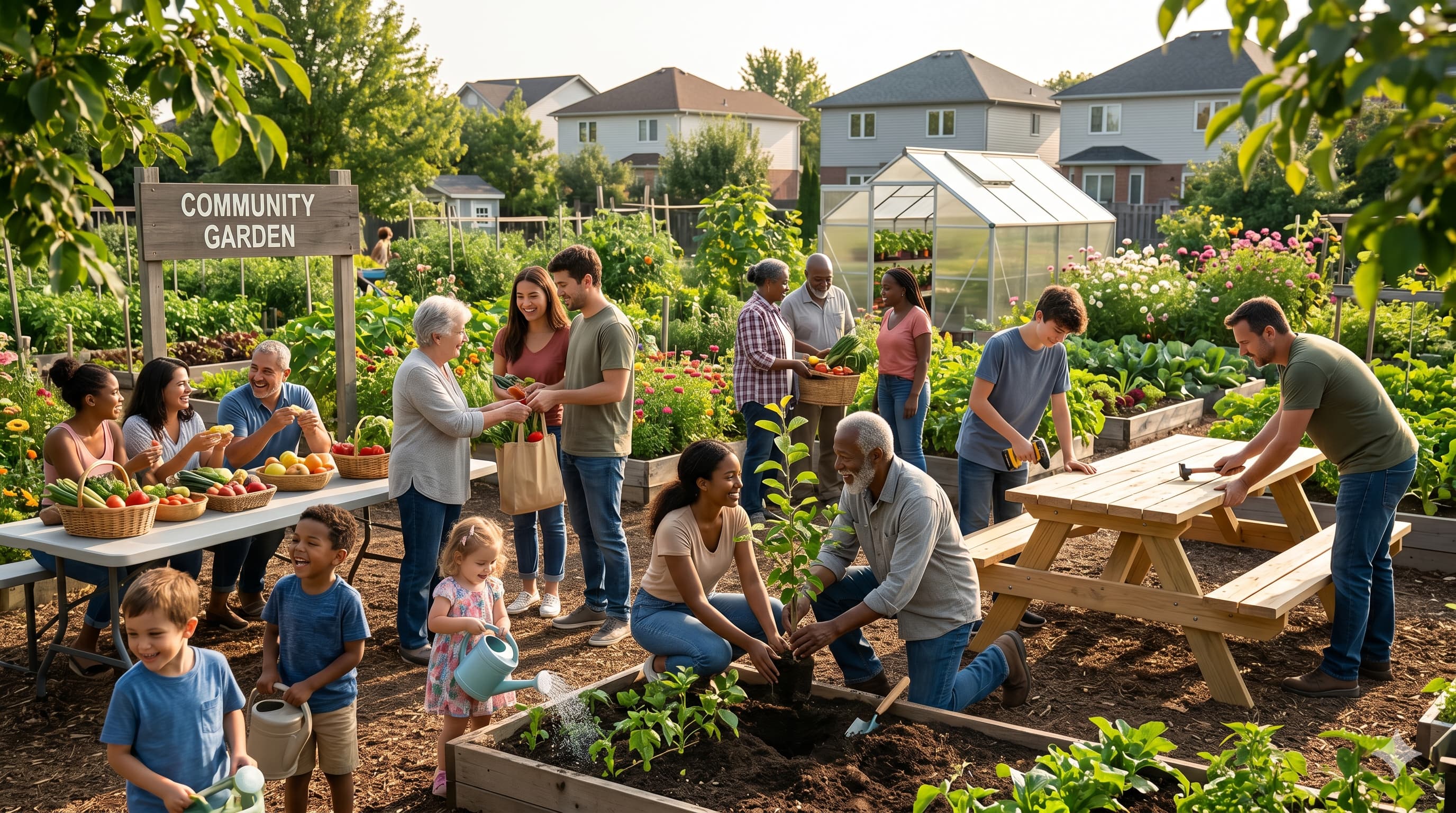
In every community there are two types of participants: builders and consumers. Consumers extract resources — information, support, contacts — without giving anything in return. Builders invest time, energy, and attention, creating things that everyone can benefit from.
Interestingly, motivation research shows that builders are generally happier than consumers. Adam Grant, professor at the Wharton School of Business, documented in his book Give and Take that people with a giver orientation achieve the greatest long-term success — provided they also know how to protect their own boundaries. The role of builder does not require heroic sacrifice — it is built on a system of small but regular contributions.
How do you become a community builder? Here are concrete practices:
- Ask real questions. Genuine interest in others is the foundation of community. Instead of how are you, try what are you working on right now or what has been good this week.
- Make introductions. Connecting people who could help each other is one of the most powerful contributions to social capital you can make.
- Document and preserve. Record the community's history, its achievements, its values. Memory is the glue of collective identity.
- Show up consistently. Shallow, infrequent participation barely creates connections. The depth of relationships is proportional to the regularity of presence.
- Share knowledge freely. People who openly share their expertise create an atmosphere of generosity around them — and that generosity returns to them many times over.
Want to challenge yourself? Try one of the community challenges — many are directly linked to building social skills and deepening connections.
Toxic Communities: How to Recognize Them
Not all communities are created equal. Some quietly destroy those who enter them — slowly, imperceptibly, but inevitably. Psychologists identify several markers of toxic community dynamics.
The first marker is a culture of shame. In healthy communities, mistakes are occasions for learning. In toxic ones, they are occasions for public humiliation. If members regularly mock or exclude those who fall short, this is a serious warning sign.
The second marker is narcissistic leadership. Communities built around a personality cult rarely stay healthy. When criticism of the leader is treated as betrayal, and loyalty is valued above honesty, collective degradation is the predictable outcome.
The third marker is closure and in-group/out-group division. A healthy community is open to newcomers and does not need external enemies to maintain internal cohesion. If the only thing holding a group together is hostility toward outsiders, that is not a community — it is a mob.
The fourth marker is one-directional resource flow. When a few people do all the work while everyone else consumes, that is not community — it is exploitation wearing the mask of belonging.
Researcher Daniel Pink describes three features of a motivating environment: autonomy, mastery, and meaning. If a community consistently deprives you of even one of these — suppressing autonomy through rigid control, blocking growth through information monopoly, or undermining meaning through cynicism — that is a toxic environment worth leaving. Sometimes knowing what not to build is as important as knowing what to build.
Online Communities: Is the Connection Real?
The debate about whether online communities constitute real connection may seem outdated — but the question of the quality of those connections remains urgent. Research paints a nuanced picture.
On one hand, online communities can be lifesaving for people with rare conditions, unconventional interests, or those living in physical isolation. Support forums for people with chronic illness, LGBTQ+ communities for teenagers in conservative regions, mutual aid networks for immigrants — these represent genuine social support that measurably improves quality of life.
On the other hand, research on social media use shows that passive consumption — endless scrolling — is associated with higher levels of anxiety and depression. Sociologist Sherry Turkle, in her book Alone Together, showed that technology has reshaped our expectations of communication: we want connection without the risk of vulnerability. But it is precisely the willingness to be uncomfortable — to be present in difficult moments, to truly listen — that creates genuine connection.
The crucial distinction is participation versus observation. An online community becomes real when you actively engage — comment, create, help, share. When you only watch, you are not in the community; you are watching it from the outside. For more on the science of social support, read our article Social Support: What the Research Shows.
Practice: Three Steps Toward Deeper Community Participation
Theory is valuable. But karma is built through action. Here are three concrete practices you can begin today.
Step one: community inventory. Write down every community you belong to — formal and informal, online and offline. Family, colleagues, neighbors, interest groups, online forums. Next to each one, write: am I giving more, or taking more? This is the first step toward awareness.
Step two: one specific action. Choose one community from your list and take one concrete action this week to strengthen it. Not grand — small: send someone a note of encouragement, share a useful resource, offer your help.
Step three: create a space for gathering. Invite two or three people from different circles to a shared meal or a walk. Not for networking purposes, but for the simple human contact that forms the foundation of genuine community.
Research shows that regular in-person gatherings in small groups are most effective for strengthening social bonds. Sociologist Mark Granovetter's concept of weak ties reveals that our broad network of acquaintances is no less important than close relationships: it is through weak ties that information spreads, opportunities emerge, and support appears in unexpected moments. Building community means investing in both deep bonds and a wide web of connection.
For more on how volunteering and helping others create a sustainable positive cycle, read our article Volunteering: What Science Says About the Benefits of Helping Others.
The karma of community is not something that happens to us. It is something we create every day through small and large choices. Every time you choose participation over observation, generosity over calculation, vulnerability over armor — you are building the community you want to belong to. And that community, in turn, builds you. The social bonds we weave through intentional presence are, ultimately, the fabric of a well-lived life.
Subscribe to new content
We publish articles about karma, self-discovery and spiritual practices. No spam — only the good stuff.
We never share your email with third parties. Unsubscribe anytime.